


Therapist Advises To Ask Yourself These 10 Questions If Your Partner Cheated On You
The heartbreak was overwhelming when I found out my ex-fiance was having an affair with his business partner’s wife. Each emotion I faced was incredibly intense and difficult to manage.
Initially, I was stunned and in disbelief. I couldn’t fathom that someone I loved and trusted could betray me like this.
I battled feelings of humiliation and low self-worth, and was utterly lost. Like many who have been betrayed, I was trying to make sense of the cheating and what it meant for us.
In the midst of this storm of emotions, I struggled to decide whether to leave the relationship or attempt to resolve our problems.
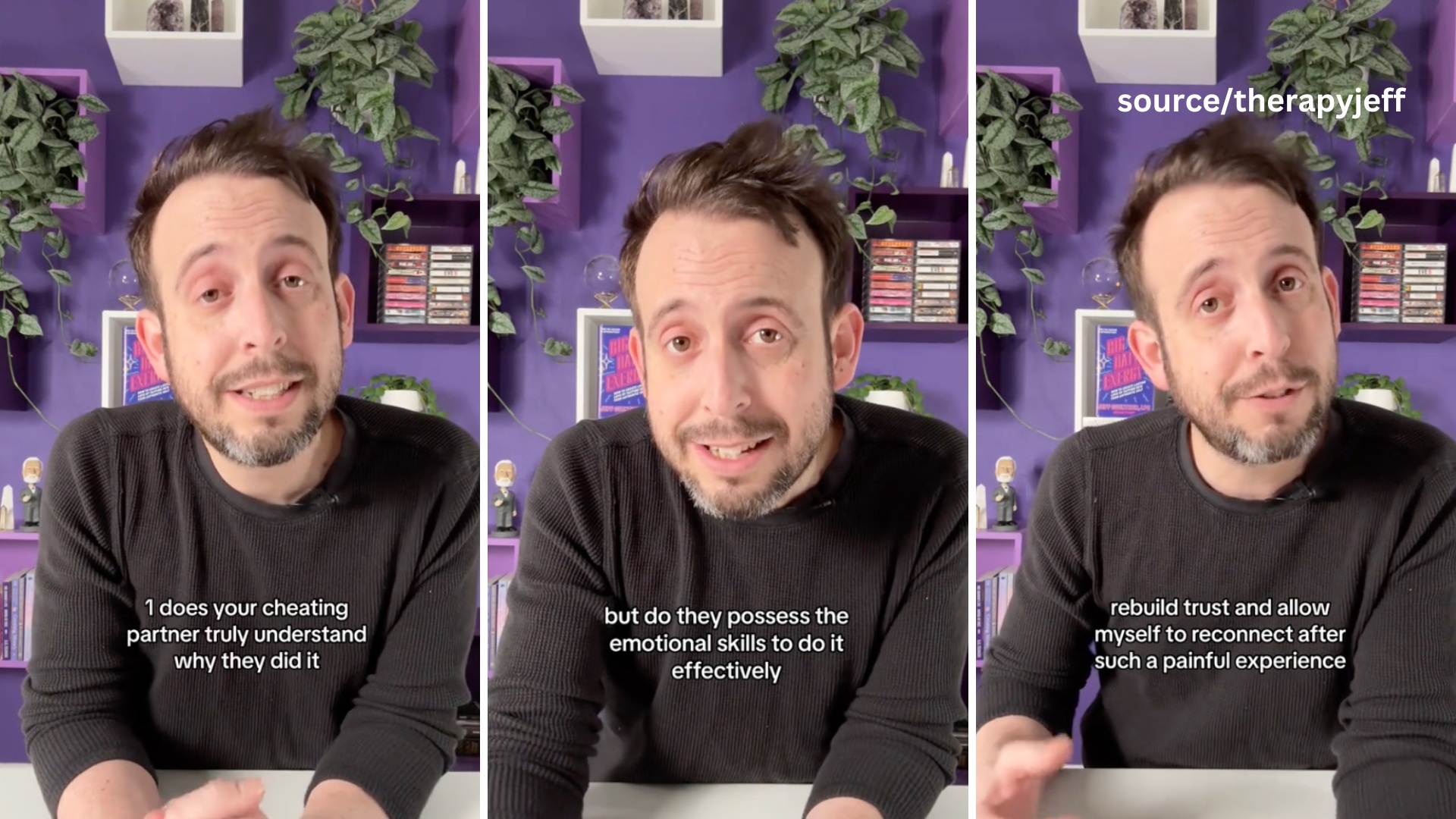
If you’re facing a similar situation and unsure about staying or leaving, this video by therapist Jeff Guenther on TikTok could provide some guidance.
He discusses 10 critical questions to consider if you’ve been cheated on.
Let’s delve into his insights.
1. “Does your cheating partner truly understand why they did it?”
Check if he genuinely grasps the reason behind his unfaithfulness. Did a mere opportunity lead him astray (indicating a natural tendency to cheat), or were there issues in your relationship that pushed him toward someone else?
My ex claimed, “It just happened.” He said she lured him in, essentially blaming her for his misstep. Clearly, I wasn’t convinced. I had always suspected he would cheat if given the chance.
If your partner is conscious of their actions, that’s an essential first step towards rebuilding trust.
2. “Can your partner comprehend your emotional experience? Are they able to validate your feelings of anger and sadness?”
Does he recognize the pain his infidelity has caused you? Does he accept and respect your feelings of anger and sorrow?
The cheating left me furious and resentful, not only towards him but also at myself for missing the signs. Plus, I was so devastated and hollow that I couldn’t stop shedding tears. Worst of all, he showed no understanding of my feelings at all.
Observe how he reacts to your emotional turmoil; his responses will indicate whether you should consider forgiveness.
3. “Does your partner recognize the impact their cheating has had on the relationship? Do they fully grasp how they’ve broken your trust?”
Is he conscious of the emotional distress and the erosion of trust his actions have caused both you and the relationship? If he genuinely acknowledges the damage inflicted, he might be willing to work earnestly on mending that trust.
The affair cut deep, making me disconnected from our future together. He assumed I would simply move past it and that things would normalize.
If he thinks you’ll quickly get over the betrayal and that everything will return to normal soon, he doesn’t understand the essence of trust, and continuing the relationship might be futile.
4. “What are boundaries that the cheating partner will put in place to ensure it doesn’t happen again?”
Is he taking steps to guard against future indiscretions? Listen, he needs to establish definite boundaries to rebuild trust and assure you of his commitment.
These should include limits on his interactions with certain individuals, greater openness regarding his whereabouts, and steering clear of tempting situations. Showing he’s dedicated to change is key to rescuing the relationship.
Thinking about continuing my relationship with my ex-fiance, I feared the possibility of being deceived again. He didn’t provide any assurance he was serious about averting future missteps.
5. “Not only are they willing to repair the relationship, but do they possess the emotional skills to do it effectively?”
Consider whether he’s capable of exerting the effort needed to make your relationship succeed, and if he possesses the emotional intelligence required.
While his willingness is critical, he must also have the skills for open communication, emotional maturity, empathy, patience, and a thorough understanding of your feelings.
Mere desire to mend things isn’t sufficient; he must know how to truly regain your trust and heal your bond.
Unfortunately, my partner lacked these capabilities.
6. “Moving forward, are they willing and able to commit to transparency and honesty, and are you both on the same page regarding what that looks like?”
This point determines whether your partner is prepared to rebuild your relationship and if you both agree on what true openness and honesty entail.
Jeff highlights the necessity for both partners to be committed to candid communication and clear expectations concerning honesty and transparency, which are vital for the future health and trust of the relationship.
I’m convinced my partner never truly understood transparency and honesty.
7. “While you may not have played any role at all and in no way deserved to be cheated on, did you do anything to contribute to the disconnect or decline in emotional intimacy that may have affected the relationship?”
Though cheating is typically due to personal flaws, and you shouldn’t blame yourself, it’s enlightening to reflect if you might have inadvertently contributed to some emotional distance in your relationship.
Consider whether any of your actions might have unintentionally led to estrangement.
The infidelity plunged me into self-doubt, making me question my worth and attractiveness, and whether I’d done anything to provoke his cheating. After much reflection, I concluded it wasn’t anything I did; he was inherently unfaithful.
8. “What are each of your reasons for fidelity and staying faithful and how do these reasons align with your values, and expectations within the relationship?”
It’s important for you and your partner to reflect on why fidelity matters to each of you. Additionally, consider how these reasons align with your core values.
This alignment helps ensure a shared commitment to loyalty based on mutual values and expectations.
Unfortunately, my ex and I did not see eye to eye on these aspects, but perhaps your situation is different.
9. “Are you both committed to the hard work of healing or therapy, recognizing it as an opportunity to understand deeper issues and heal together?”
Are both of you prepared to invest the necessary effort in recovery? Are you open to therapy or other healing practices?
Consider this challenging time as a chance to dive deep into underlying issues and mend your relationship collaboratively.
Consider this a way to mend your partnership and a chance to dig into and solve more profound issues together.
Think about it, this “earthquake” might actually make your connection stronger if you both commit to repairing it.
10. “Can I or will I be able to trust again and be emotionally open after this hurt, or will I stay cautious and close myself off from starting anew with this person?”
This concerns whether you can envision a future in which trust is restored and you can emotionally reconnect with your partner following such turmoil. Will you be able to move past the hurt and be willing to rebuild what was broken?
Or will the mistrust prevent you from progressing together? Reflecting on this is key to determining what comes next for your relationship.
I had no choice but to turn the page and begin afresh without him.
I was eager to see how others reacted to this video. One commenter seemed resolved:
“Zero questions to ask. It’s an immediate exit.”
Many comments revealed that people doubted the possibility of mending the relationship after betrayal.
One person was even disturbed by the mere idea of posing such a question:
“Boo hiss! It seems like you haven’t been cheated on by someone you deeply cared about if you’re even considering these questions. It’s not about whether to stay or go, it’s about telling them to pack up and leave immediately.”
Yet, different individuals have different stories. Another comment showed it’s doable, but it demands time and dedication:
“Just because the comments are so negative, it CAN work. It took time and effort (a lot from him), but we are better than ever, and I feel completely secure and happy. Is it likely? No. Possible? Yes.”
Whatever your decisions are, ensure you don’t let the fear of being single trap you in a broken relationship. If he doesn’t provide a definite plan and show the drive or ability to mend your relationship, then he’s not worth a second chance.


